
Glen Gibson, UKCP Accredited Psychotherapist

Glen Gibson

English
Shortlist Share
Glen Gibson, UKCP Accredited Psychotherapist

Glen Gibson

English
Shortlist Share

My Approach

I aim to bring clarity and sensitivity to my work with warmth, humour and maturity, With my passionate beliefs of self-determination and responsibility, I offer fresh insight in an affirming, supportive and jargon-free way, My role is to get to know you and for you to develop a greater understanding of yourself in a safe, confidential, supportive and jargon-free environment. This may include exploration of how you feel, think and act. Working at your own pace, I offer guidance and support so fresh ways of seeing yourself, the options and making choices become available. Alongside the issues you bring, we may look at where you would like to be in your life and what prevents you getting there, so far. I value the humanity in us all and acknowledge our own resources, qualities and strengths alongside our frailties, limitations and vulnerabilities.

About Me

I am an experienced, accredited, male psychotherapist based in central London, Camden Town, close to Kings Cross, working both in-person and online. My interest in psychotherapy developed in 1992. I was drawn to it because it was described as a psychology of the soul.

My psychotherapy training acknowledged and combined the physical, emotional, psychological, sexual, and spiritual aspects of each person helping me gain a broader understanding of myself and others.

Yet besides all the training and theories, I learnt that the most profound connections and healing take place not through models, theories but through the value of experiences. My experience and training as a psychotherapist includes acknowledging multiple meanings, working creatively with a range of integrative psychotherapy approaches and strategies.

I bring together over 25 years experience of working with people, both in the voluntary sector and privately. I have realised that deep and lasting change is possible at any stage. I value listening to people's life stories and acknowledge and aspire to share what I have learnt from others.

I work with

  • Companies
  • Individuals
  • Private healthcare referrals

Special Interests

Like all UKCP registered psychotherapists and psychotherapeutic counsellors I can work with a wide range of issues, but here are some areas in which I have a special interest or additional experience.

Most of us are addicted to something. And some of us describe ourselves as an "addict" for anything we do) - any activity (from the frivolous to the serious), which may not always be an accurate description and can trivialise what for some people can be distressing. Whether or not we identify with the diagnostic label of "addiction", we may acknowledge we have an addiction problem because of an addictive relationship to certain things and the addiction-like effects, destructive things we can get up to. It is said we live in an addictive society, that most of us, no matter what our intelligence, wealth, profession or status, have one or two minor personal triggers, obsessions, "addictions" or addictive learned behaviours (e.g. technology, sugar, coffee, social media) yet when specific behaviours or addictions become prioritised, dominant or overused, that life without the feelings we get from our "high" may not seem very worthwhile, we can develop addictive triggers with addiction-like effects - impulsive, compulsive, dependency tendencies. It can feel at times as if something is controlling our life - and it's not quite ourself. We may have an emotional attachment to our specific addiction, as if we are bonded to our addiction (often ignoring our primary feelings - struggling to take responsibility for our feelings), when what we do no longer serves a healthy function in our life as if distracting away from our self, takes over as a way of coping, affecting our ordinary life and functions, procrastination, our general wellbeing, losing interest in ordinary pleasures. We may want to live a more meaningful, fulfilled life. We may ask "Do I have control over it or does it have control over me?" and have allowed our addictions (we may swap one for another, where one addiction becomes a gateway for a different addiction) to have a life of its own, losing our self in the process. Unhappy or anxious without our "fix", we may start to have a problem and seek addiction help.
Uneasy about some things, anxiety is part of being human, being aware of life dangers, risks, losses, even death (climate anxiety may be a concern for some), letting us know we are uneasy about something, pointing us towards our courage, self-responsibility. When thinking ahead, anxiety can also help us to consider & think about the consequences. Anxiety can be seen as an alert like an alarm system, a normal reaction to fear when our basic security is threatened. (As if our brain can't let go, some of us may have been on a state of red alert for a very long time.) We may tend to have certain times of the day when we feel more anxious, when our thoughts spiral. Sometimes our alarm bells may go off when they don't need to. Reducing the level of alertness, bringing our arousal system down, may be important to control anxiety, so we are not so overwhelmed by it. Taking personal responsibility for things can lead to anxiety, a process in us all, and when we can authentically face what we need to face, our anxiety has the potential to help us grow & learn, counter-intuitively bringing anxiety relief when we gently, playfully expose ourself to certain stresses in order for them to gradually diminish (anxiety management) and to view our anxiety as a prompt to be ready for a new adventure towards a new part of our life, so we can transform the intensity of our anxiety towards our intensity towards our future. Symptoms of anxiety can't be entirely eliminated, though anxiety and unhelpful self-doubt can be reduced. We may be faced with a paradox that if we try to avoid our anxiety, resist it by denying its reality, this can compound our anxiety as it intensifies. Yet as we accept our anxieties, no longer fixating on them, find our way through them, we can become freer of them. All of us have small worries, niggles, get anxious, edgy from time to time and some of us can thrive on pressure, so there is no anxiety cure - it is more about befriending, transforming, managing our anxiety, so we catch it, gather ourself together before it (and what we sometimes unhelpfully tell ourselves - often linked to planning, organising, rehearsing things in our head) takes us over. We may be anxious for no apparent reason through learnt behaviour. It may be unrealistic to expect a fool proof way to totally control anxiety - that it is eradicated. Stepping over our anxiety, utilising it, can help us succeed, yet for others, the more stressed we are, the less we do. We may be more irritable, compulsive in our actions, or end up avoiding things, pushing, breaking deadlines, doing things the last minute, procrastinating, going to bed later, struggling to sleep. Anxiety treatment & stress counselling can help us understand the nature of anxiety, look what may lay behind this (e.g. feelings of emptiness, our self-judgements, our own attachment anxieties, separation anxiety which may affect our relationship anxiety) and offer tools in managing this, including how we are in our being as well as doing with a sense of life direction. Medication can help some people with anxiety yet can end up camouflaging underlying factors and the root cause of our anxiety, preventing us living in the flow of life.
For various reasons many people prefer online counselling, rather than in-person counselling. An initial meeting is offered to get to know you, see if counselling/therapy is suitable and we feel comfortable working together. I will summarise what I've picked up and feed this back to you. We can use various video conferencing formats including Teams, Zoom, etc.
Being OK with another begins with being OK with ourself, so the relationship with ourself underpins our relationship with others. Relationships are essential to our resilience, wellbeing, and happiness. Happy relationships don't happen by accident and only we can change what we do to make them happier. We can love someone yet being together can be challenging at times. We may have different contexts, needs, attitudes, expectations and models about a good relationship, marriage including whether it should last forever, be exclusive. Whatever our culture, sexuality, religion, matters of the human heart are universal, as is the complexity, pain, and joys of human relationships with others. The relationship and marriage therapy can explore what a relationship, marriage means for us and what keeps us safe in it and also explores our primary relationship with our Self (for we can't be happy, fulfilled, in our relationship unless we are fulfilled and happy in ourself) alongside our relationship and communication style with our partner, others.
Emotional stress, fear and anxiety can be experienced as interchangeable reactions inside of us (compounded when we are hungry, irritable, angry, lonely, tired, lost or stuck, under threat, traumatised, feel shame or experience loss, separation), triggering our tears or fight-flight-freeze response in order to protect us. And many of these aspects have a biological component. (Some even an "inherited" component as if we have taken in the same beliefs, behaviours about stress, fears, anxieties as that of one of our parents out of maybe unconscious loyalties, rules, obligations, duties.) If we are in this aroused state, the qualities of our faculties, responses, may not be as affected. Our stress, fear, anxiety don't always warrant the level of response we experience, as if something else inside is controlling us, that our overwhelming feelings, irrational emotions, mistrust of ourself and others and active imagination takes us over, incapacitating us at times. We may also have allowed our anguish and other our feelings to dominate our thoughts. Observing them, distinguishing between how these feelings positively helps us or contributes to our situations in unhelpful ways, can be explored in the stress therapy. We may experience our stress, fear, anxiety as real, yet what we attribute to these feelings may not always be real or rational and we may lose perspective. We may also have absorbed others' stress, fear, anxiety (our parents, partner, friends) as our own and not protected ourself from this impact. We may have learnt to disguise our anxiety, so people can't see it, yet feel it inside or maybe start stress-eating. Some of us can be fuelled by nervous energy, some of it dating back to previous traumas. We may struggle to manage this and allow this to take us over. Sensitive at times, others can get stuck or immobilised in our fear, stress or anxiety. In its grip or overwhelmed, we may be caught in the past or be fretting about the future - trying to predict it, not in the present moment, and so we struggle to get much done (especially if we make our future a scary, fearful place, without considering the future as an unopened gift that awaits us). It can be exhausting, yet familiar, as if there is no other way of being, as our stress, fear or rolling anxiety begins to dominate our life too much, making small problems big, maybe snowballing out of control (and of control, it may be that our stress, fear, anxiety is a direct consequence of struggling to accept what is not in our control and just be in the moment). Some may have an anxiety overload leading to panic attacks. The manner in which we respond to stress, fear and anxiety, influences many things (e.g. our appetite, sleep, physical health & vitality, assertiveness, inspiration & creativity). Prolonged stress, fear, anxiety can compound our negative thoughts and takes a toll on our health, stops us enjoying life. We may struggle to be aware of other options, perceptions, attitudes, see a bigger picture or be aware of what is in our control and what isn't, maybe trying to get others to take responsibility for our feelings. What we tell ourselves and our early unconscious beliefs may also contribute to our stress, fear and anxiety. Some of us may for example experience anxiety, yet mistaking this for our primary emotion, which in fact may be fear. Stress can be seen as a milder form of anxiety. Anxiety can be seen as a fear of choice in our hands. We all have our templates for responding to our waves of stress, fear & anxiety, and the anxiety treatment and stress therapy can explore these with you, alongside determining whether our fears are rational, irrational, how we can put things into perspective, face and tackle our stress, fear and anxiety, taking back control of them, disidentifying from them when we need to. Losing hope that we can manage this, we may have given up or turned to unhelpful habits or addictions. In our head we may be overwhelmed, overloaded, overstimulated and we may make mountains out of molehills - magnifying situations in our mind as waves of thoughts, feelings are experienced. Regulating our stress, fear, anxiety, so it doesn't double, quadruple, etc., having faith, remaining anchored, centred, grounded in spite of what's happening inside or around us, understanding that we have a rich palette of other feelings, a range of choices, that our choice is in our control (supported by our personal boundaries), can bring stress relief, reduce our anxiety problem and empower us as can enjoying a range of experiences (e.g. being in touch with supportive others - building a circle of people around us, exercise, enjoying a healthy sex life). The stress therapy can also explore whether we look outside or inside ourself for the source of our stress, fear, anxiety and also explore our internal safety, inner security, connecting to who we are, being grounded and secure, inhabiting our body.

Types of Therapies Offered

  • Humanistic and Integrative Psychotherapist
  • Humanistic Psychotherapist
  • Integrative Psychosynthesis Psychotherapist
  • Integrative Psychotherapist
  • Psychosynthesis Psychotherapist
  • Psychotherapeutic Counsellor
  • Sexual and Relationship Psychotherapist
  • Transpersonal Psychotherapist

What I can help with

  • Addiction
  • ADHD
  • Adoption
  • Age-related Issues
  • Anger Management
  • Anxiety
  • Autism
  • Bereavement
  • Cancer
  • Chronic Illness
  • Cultural Issues
  • Depression
  • Employment Difficulties
  • Health-related Issues
  • Identity Problems
  • Infertility
  • Online Counselling
  • Parents
  • Relationships
  • Sex Problems
  • Sexuality
  • Spirituality
  • Step Families
  • Stress
  • Terminal Illness
  • Workplace Counselling

Types of sessions

  • Face to Face - Long Term
  • Online Therapy
  • Telephone Therapy

UKCP College

  • Humanistic and Integrative Psychotherapy College (HIPC)
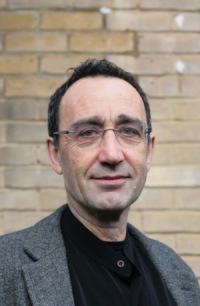
Glen Gibson

Glen Gibson

Bookmarks My Shortlist

All shortlisted profiles

Find a therapist near you